Inter-municipal cooperation and the role of associations
Venue: Hotel Prishtina Date: 26 March 2013 Lecturers: Agron Maxhuni, Legal Director, MLGA Besnik Tahiri, Master of Science in Decentralised Governance and International Development Topic: • The role of associations in…
Venue: Hotel Prishtina
Date: 26 March 2013
Lecturers:
Agron Maxhuni, Legal Director, MLGA
Besnik Tahiri, Master of Science in Decentralised Governance and International Development
Topic:
• The role of associations in addressing and advocating – issues related to
cooperation among municipalities and with other institutional mechanisms.
• Inter-municipal cooperation – the legal mechanisms that enable municipalities to cooperate on common matters.
• Presentation of the guide to inter-municipal cooperation
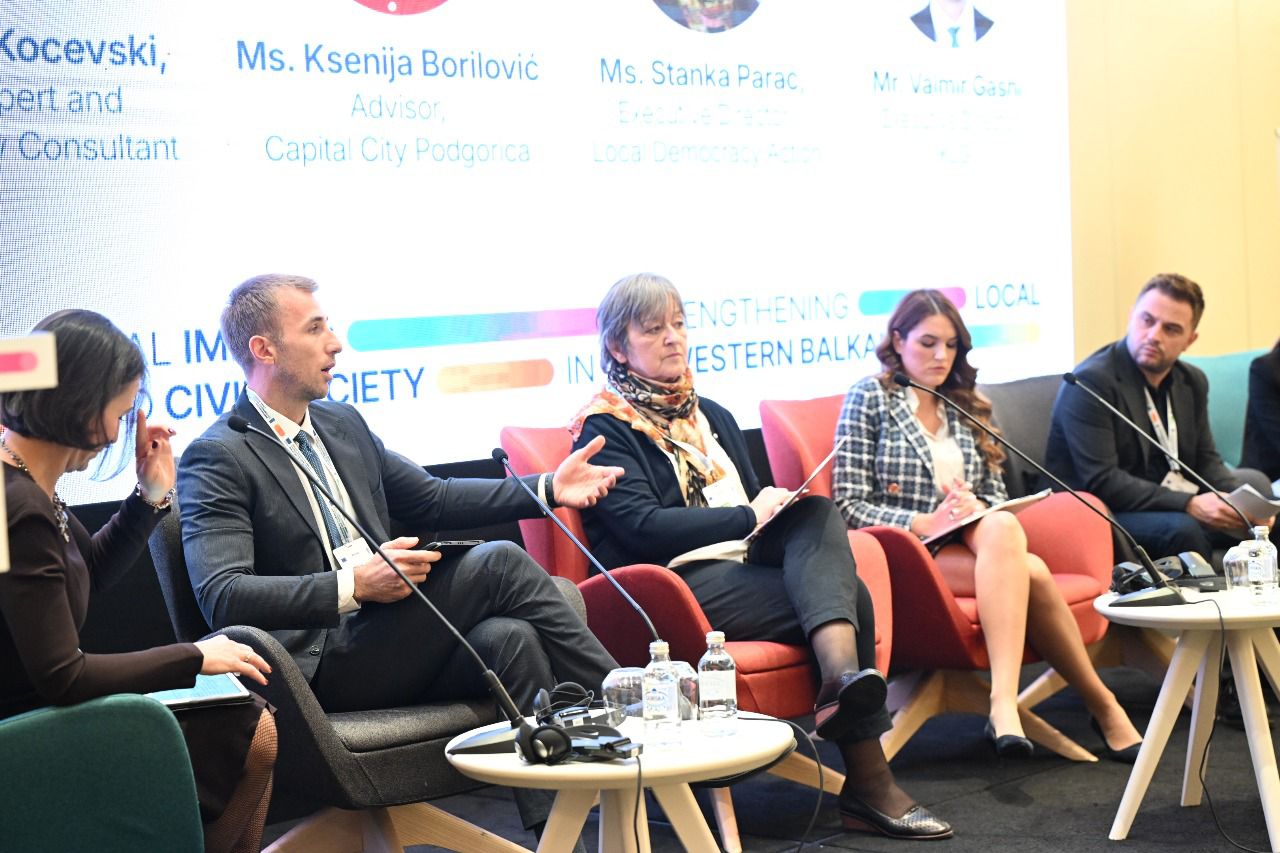
In order to discuss and elaborate on the field of “Inter-Municipal Cooperation – IMC” within the current legal framework and regulations of the Republic of Kosovo, the Kosovo Local Government Institute, in cooperation with the Friedrich Ebert Foundation and supported by the Norwegian Embassy, is holding a one-day conference with officials from Kosovo’s municipalities and the Ministry of Local Government Administration, as well as invited representatives of international organisations that support local governance in Kosovo.
Knowing the importance of IMC and the role of municipal officials in protecting and advancing municipal interests, the Kosovo Local Government Institute aims through this workshop to convey information and knowledge about the benefits IMC brings to municipal officials and other stakeholders. Furthermore, in the spirit of recent developments, addressing this topic is also in line with the Kosovo Local Government Institute’s ongoing commitment to informing the public accurately and properly about the importance of this topic, thereby contributing to its de-politicisation, as well as that of other topics in the field of local governance.
At this conference, the presentations and discussions highlighted that the main actors expected to strengthen and intensify IMC in Kosovo are not making use of the opportunities this field offers, and that this is resulting in a loss of resources and of financial and human potential.
In his presentation, Mr Agron Maxhuni, Legal Director at the Ministry of Local Government Administration, stressed that “the current legislation offers broad opportunities in the field of IMC, both nationally and internationally (…) The fundamental principle of IMC is effectiveness and economy, while municipalities’ objectives for entering into IMC are based on will and common interest in areas such as socio-economic development, land development and use, environmental protection, and planning.”
The Executive Director of the Kosovo Local Government Institute stressed that “it is regrettable that municipalities and other institutions of the Republic of Kosovo are not using IMC as an instrument, a platform and a practice of local development in order to protect and advance the interests and well-being of citizens, and this is partly linked to local actors wasting time on politicised agendas.” According to Mr Tahiri, municipalities must identify and specify areas for IMC, also making use of the power they have under the competences of local self-government institutions, something that is currently lacking. In this context, Mr Tahiri and the other panellists also discussed the role of the Association of Municipalities. The shared conclusion in this regard is that it is well known that the role of an Association of Municipalities is to address, consult on and promote issues that fall within the scope of local self-government; in this spirit, no time and energy should be lost in addressing the topics that arise from the European practices provided for by the European Charter of Local Self-Government.