Public consultation on acts makes citizens stakeholders in local decision-making
The Kosovo Local Government Institute (KLGI), in cooperation with the German foundation Friedrich Ebert Stiftung (FES), held a three-day workshop on “The process of public consultation on municipal acts”. The workshop…
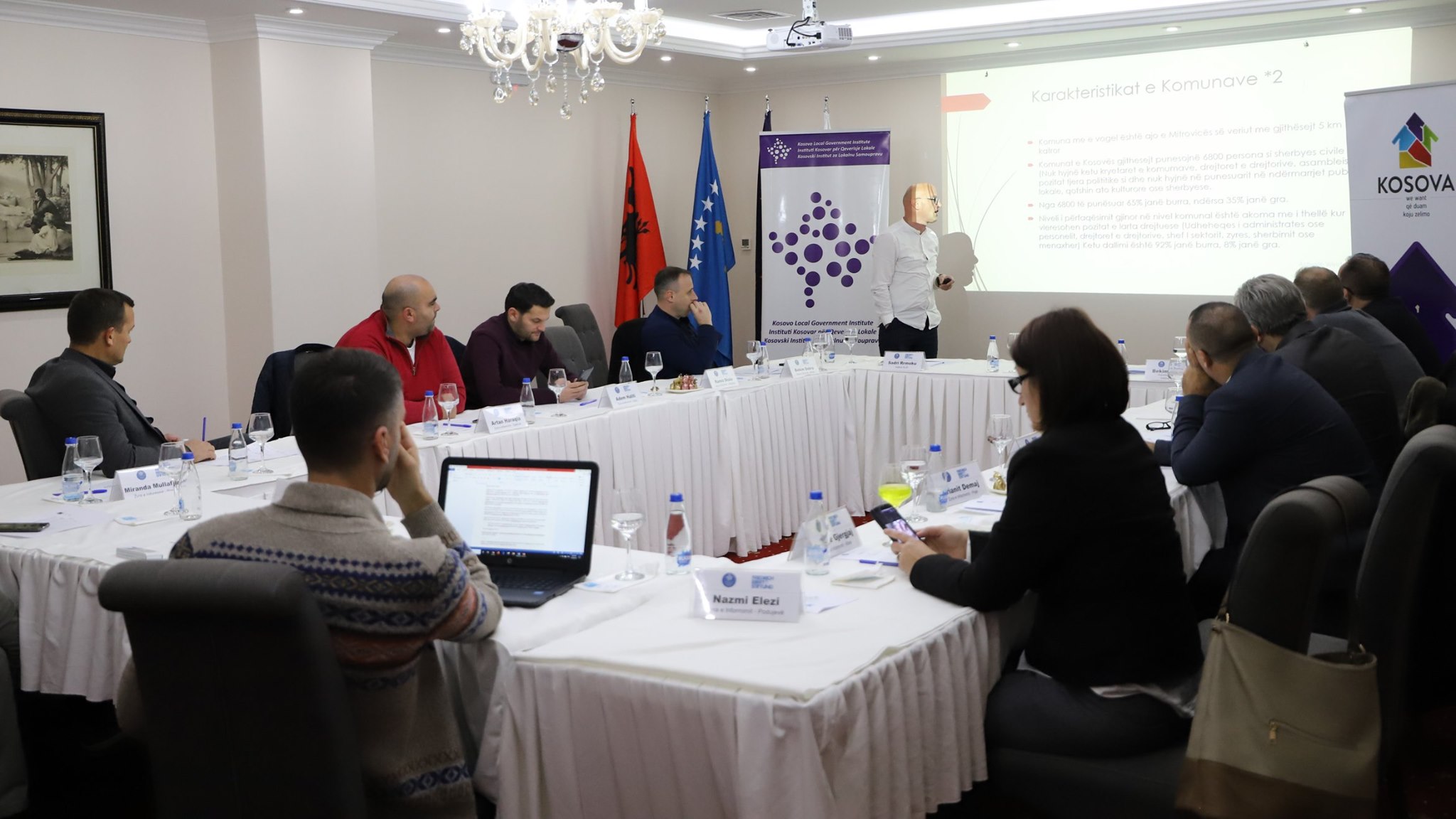
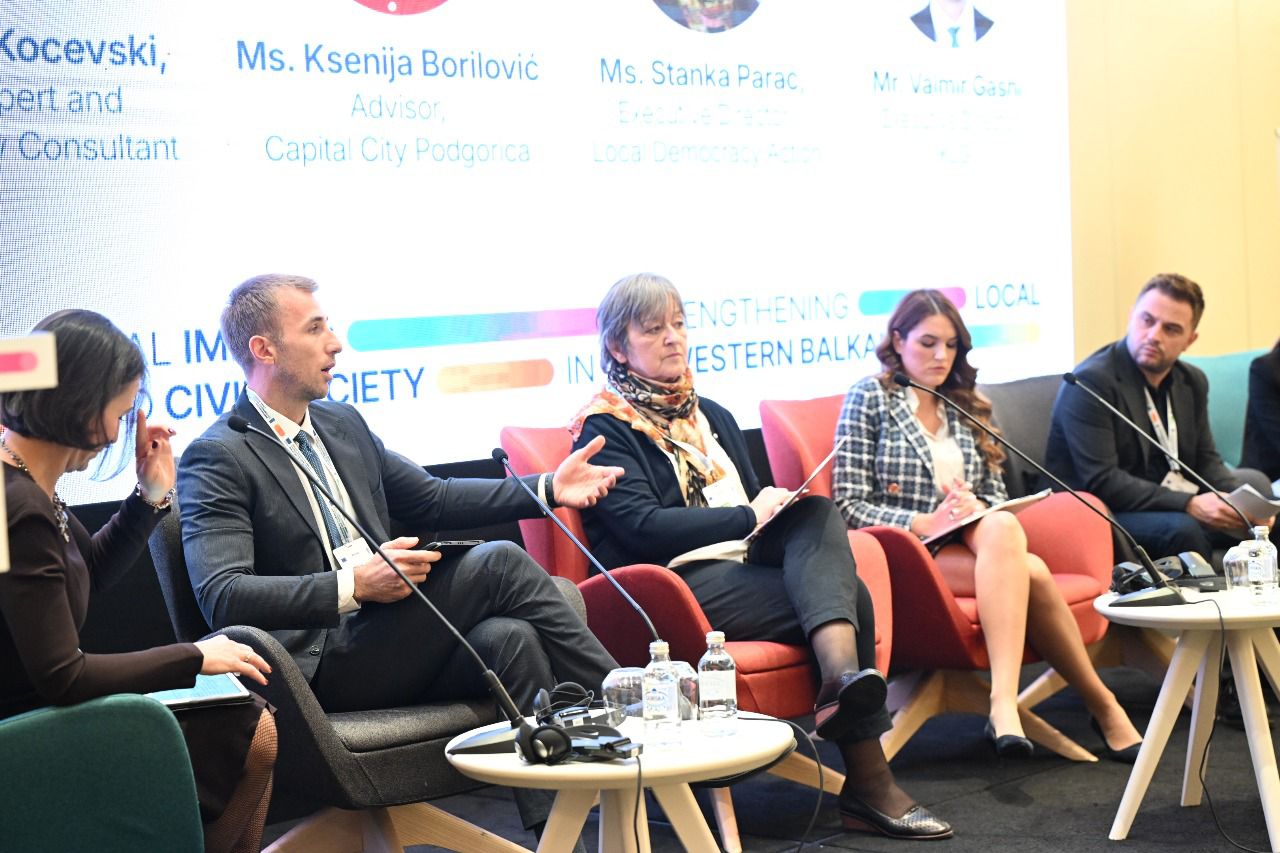
The Kosovo Local Government Institute (KLGI), in cooperation with the German foundation Friedrich Ebert Stiftung (FES), held a three-day workshop on “The process of public consultation on municipal acts”. The workshop aimed to familiarise participants with the regulations on public consultation on municipal acts. Participants in the workshop were municipal information officers and civil society.
A problem raised by municipal officials was the low level of citizen participation in public hearings, and they asked for a more suitable format to be found for citizens' participation in such meetings. At the same time, municipal officials welcomed the cooperation that civil society is offering in mobilising the community, thus facilitating the process of identifying its needs.
During this workshop, the Administrative Instruction on public consultation at the local level was also discussed. The broadest possible involvement of citizens in public consultation means that citizens become stakeholders in drafting public policies at the local level. However, ways must be found to mobilise the community and build citizens' trust in this respect, while stressing that this level of trust should be the main aim of the municipality–citizen relationship.
For public consultation at the local level to be as effective as possible, the municipality must not only publish the time and place of the meeting, but must also explain the purpose of the meeting at the outset and ensure that every recommendation from citizens is taken into account. The municipality must also make sure that the schedule of consultations is as convenient as possible, so that anyone who is interested can take part.
It was a shared conclusion that greater attention must be paid to creating mechanisms that would ensure the implementation of the administrative instruction, so that this document is put into practice and public consultations are advanced.
At the same time, the cooperation that the KLGI Institute is offering in mobilising the community, thus facilitating the process of identifying its needs, was welcomed and appreciated.
This activity was carried out with the support of the German foundation Friedrich Ebert Stiftung.