Tahiri: The central level is paralysing municipal initiatives
As part of its series of focused debates, Universum College held a dedicated session on local governance. In an analytical discussion format, the debate addressed the main areas and dimensions in which local government…
As part of its series of focused debates, Universum College held a dedicated session on local governance. In an analytical discussion format, the debate addressed the main areas and dimensions in which local government extends and operates.
The debate began by analysing general aspects such as the electoral and governance system, relations between the central and local levels, local government finance, legislation and policies, down to specific aspects related to municipalities’ operational, technical and functional capacities for service delivery.
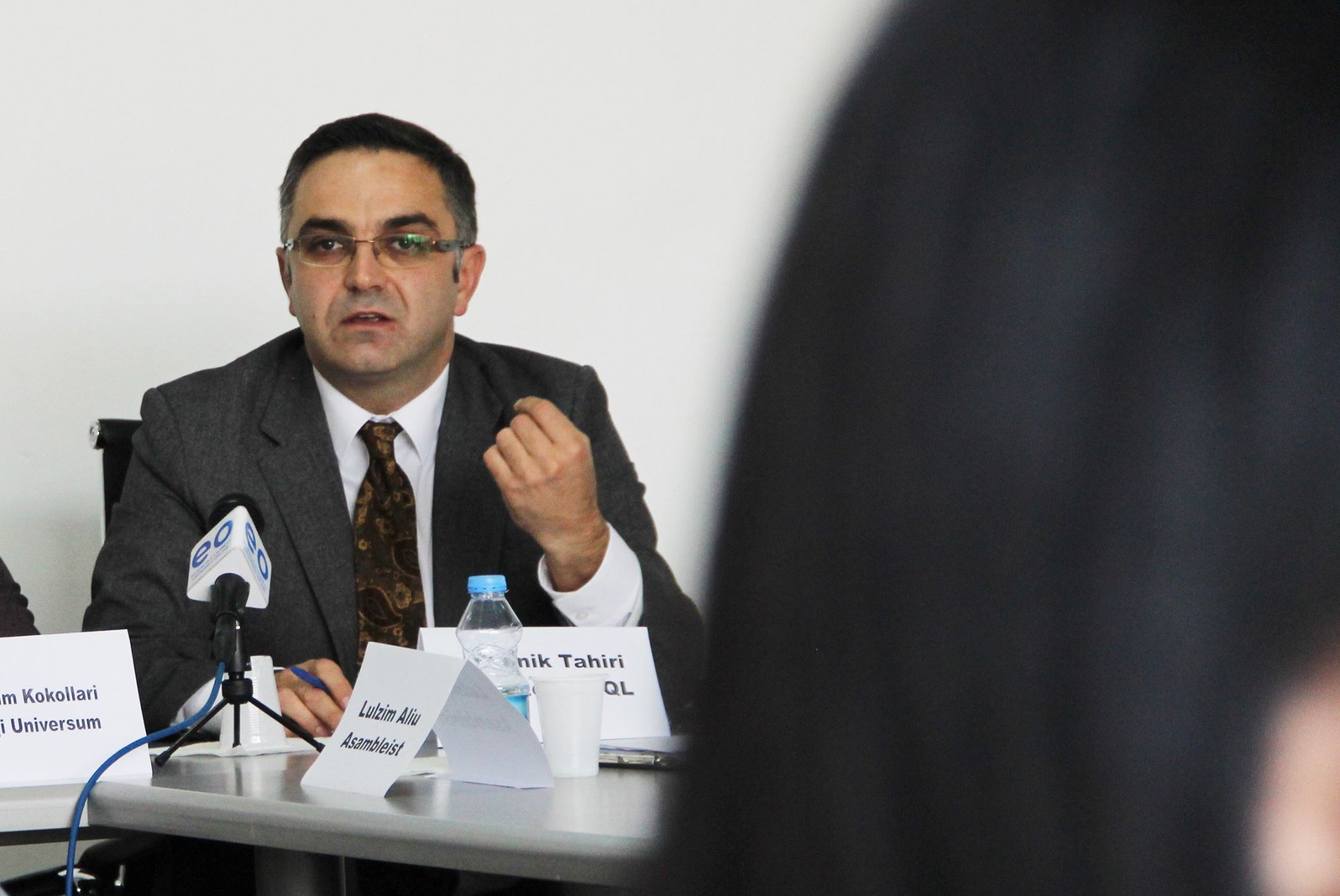
In his remarks, Mr Besnik Tahiri, Executive Director of the KLGI Institute, placed particular emphasis on the legal, procedural and functional ambiguities between levels of government, which are proving a major obstacle for municipalities in the functional implementation of competences and services. As a consequence of this complexity, municipalities are failing to draft sustainable development policies and plans.
According to Tahiri, if we look at the functional areas and sectors in municipalities, a few quick facts show that local government still continues to function amid complete ambiguity, ranging from a lack of coherence between policies and legislation, ad hoc management, complicated procedures and weak oversight and accountability, to a lack of citizen involvement in decision-making.
Finally, Mr Tahiri expressed the necessity of pushing the reform process forward in parallel with a functional review of decentralisation. This process must take place carefully and systematically, sector by sector and functional area by functional area. Otherwise, municipal and national government entities will continue to operate in the dark, leading to confusion, paralysing initiatives, weakening services and lowering the level of transparency and accountability at both levels of government.
The other panellists in the debate were Mr Naim Ismajli, chair of the Association of Kosovo Municipalities; Mr Faik Grainca, representative of the Municipality of Ferizaj; representatives of the Municipal Assembly of Ferizaj; a professor and a student from Universum College; and the media and civil society.