
The capital needs functionality, not obstacles and delays
The KLGI Institute is following the process of the Law on the Capital City/Prishtina and believes that the Assembly committees must treat this process seriously and without delay. The history of the Law and the problems…
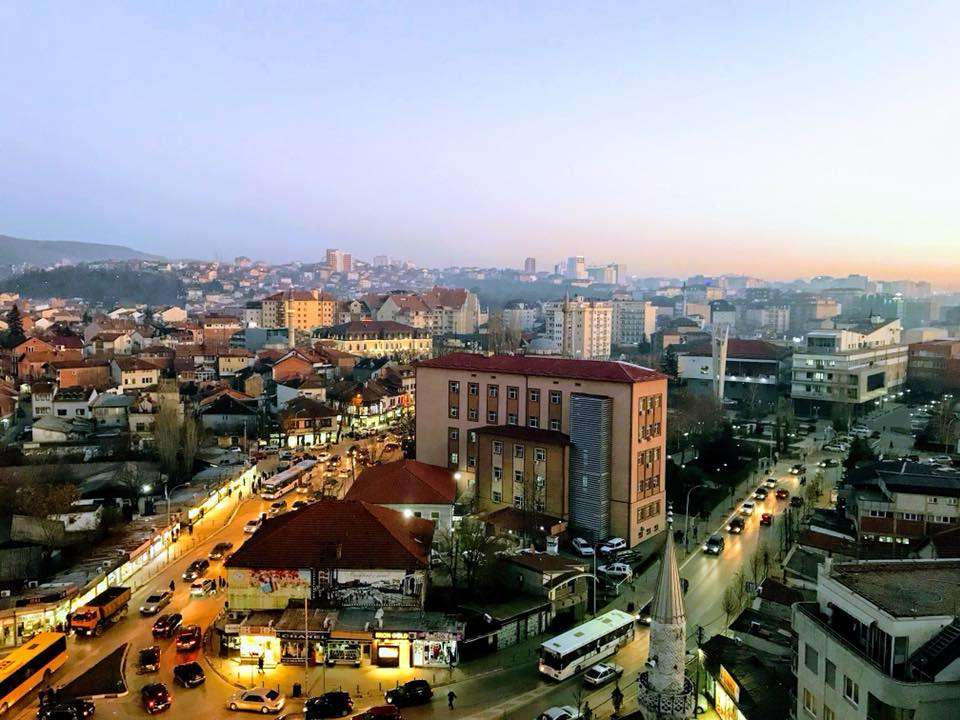
The KLGI Institute is following the process of the Law on the Capital City/Prishtina and believes that the Assembly committees must treat this process seriously and without delay. The history of the Law and the problems of the past ten years are becoming an obstacle to the functioning of the capital.
As such, the Law on the Capital City/Prishtina is not an instrument for symbolic issues, much less for elements that create constitutional ambiguity. The Law on the Capital City/Prishtina is a constitutional obligation; it is an element of statehood that regulates the functioning of the capital, and above all it is an instrument that serves the residents and the capital itself in functioning properly.
The Law on the Capital City/Prishtina must not be stopped by the obstacles that arise along the way. The Assembly committees must address the challenging issues without delay and produce solutions that clear the way for a vote in the Assembly. Introducing unclear articles takes the debate on the Law on the Capital City/Prishtina back to square one, and as such, dragging out the process serves neither the capital nor the fulfilment of constitutional obligations. This Law should address the local government system, but must not necessarily be limited to the issues that give Prishtina functionality.
For the KLGI Institute, the Law on the Capital City/Prishtina has three key elements: first, it fulfils the constitutional obligation to have a special regulation for the Capital; second, it provides additional competences on issues that give the capital functionality; and third, it requires special treatment by central institutions.
The specific issues that prove challenging in the Law, whether a special police department for the Capital or the licensing of secondary health care, are elements that must be dealt with within the constitutional and legal framework. These elements must not jeopardise the main principles of the functioning of local government; rather, within this framework the best solutions must be produced to provide functionality, whether in delivering and managing public and administrative services or in sectoral issues that arise as needs of the capital.
Introducing any other element unrelated to the spirit of the Law on the Capital opens up debate and creates obstacles to the adoption of a Law that is already a decade late. Before it belongs to its residents alone, the Capital/Prishtina is the country’s main institutional, diplomatic, cultural and educational representation.
It is therefore important that all institutional mechanisms and public actors give their support to this process so that the constitutional obligation is fulfilled and the capital is given functionality. Otherwise, any other approach hinders a swift resolution of this issue.