The Role of the Media and Civil Society in Democratising Municipalities
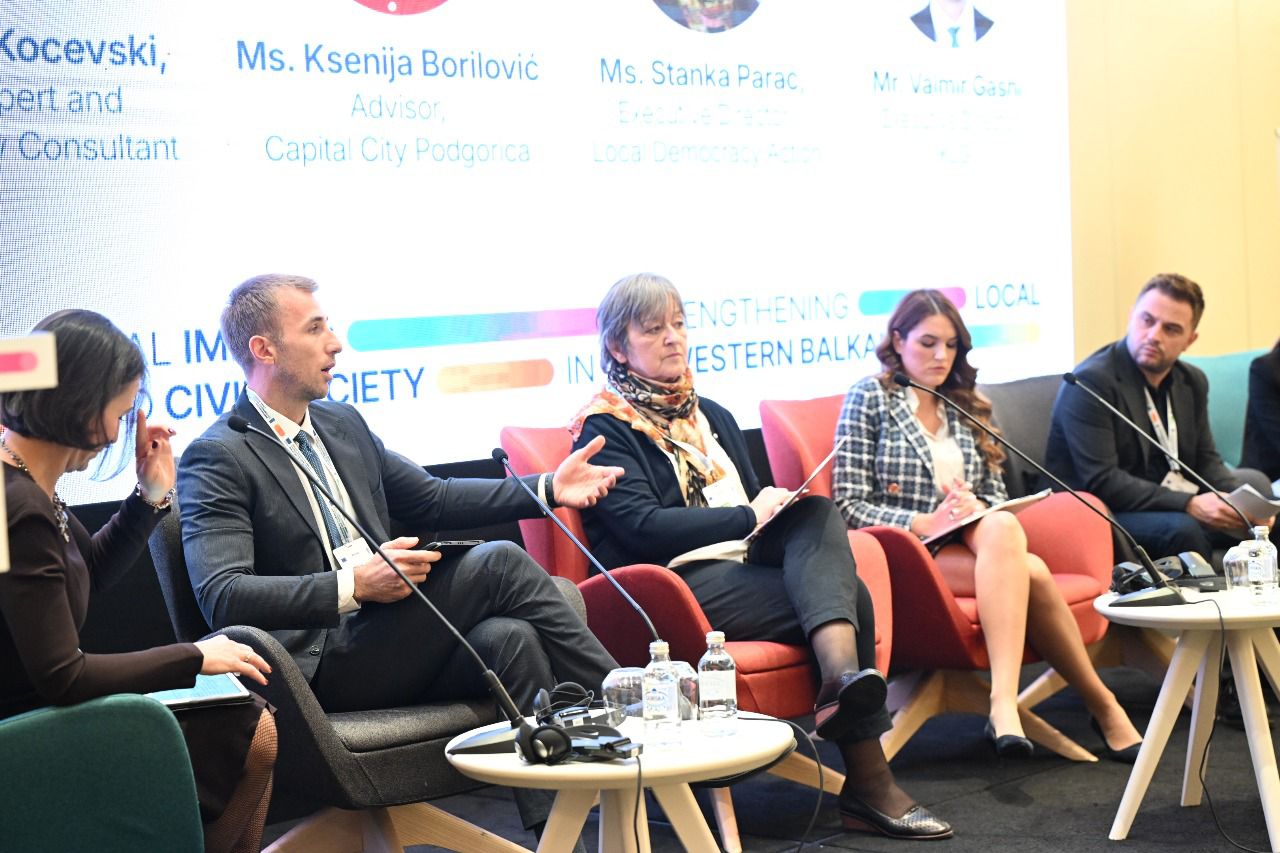
Hotel Emerald 23 September 2014 Lecturers: • Besnik Tahiri , Director of the Kosovo Local Government Institute • Fatmir Haxholli , MA in Contemporary European Studies • Kushtim Sadiku , KLAN Kosova • Adriatik Kelmendi …
Hotel Emerald
23 September 2014
Lecturers:
• Besnik Tahiri, Director of the Kosovo Local Government Institute
• Fatmir Haxholli, MA in Contemporary European Studies
• Kushtim Sadiku, KLAN Kosova
• Adriatik Kelmendi, Editor-in-Chief of KOHA Vision
• Petrit Zogaj, Director of the FOL Movement
• Osman Bllaca, INPO Programme Coordinator
Topics:
• Presentation of the Research: Clientelism as an alternative dimension of governance in Municipalities
• The role of the Media in increasing transparency and accountability in Municipalities
• The role of Civil Society in democratisation and good governance in Municipalities
The Role of the Media and Civil Society in Democratising Municipalities
Besnik Tahiri, Executive Director – KLGI: Opening of the Module
Adriatik Kelmendi, Editor-in-Chief KOHA Vision: Municipal officials make a great contribution in this field; two-way cooperation is important so that the public remains satisfied with the information. Municipalities put out information and take action, so misunderstandings may arise between the parties as a result of a journalist’s lack of experience or professional training. Information has existed in democracy since democracy began, given how important this process is, because citizens demand accountability from those they elected by direct vote. If we as journalists do not have time for all the news that municipalities put out, it is the editor’s job to select the stories that are most important and that have a direct impact on citizens’ lives.
How the main story is selected: in national media such as KTV, which has national frequencies, importance is given to news on Education, Health and political topics, because politics is connected to many factors. We do not know about all the problems; you should not wait for the journalist to come to you but should put out information. Information from citizens is important; the journalist’s task is to prepare that story professionally, without emotional influence…. There is a lot of good work that goes unseen. Good work comes slowly, while bad news comes very fast and has a great impact. The media give prominence to some stories that arouse the public’s curiosity. Without information there can be no fair judgement; without information there is no public opinion, and without opinion there is no critical thinking. Dictatorship neutralises opinion and information. Information must not be influenced by those in power.
Besnik Tahiri, Executive Director – KLGI: The media’s misunderstanding in relation to the municipality is a major problem that affects the news; the editor has to decide which stories are important, so a phone call is not pressure. It should not be understood that the job is done once we have sent out the news; impact is achieved when the story is published. There is official and unofficial communication; journalists have funding problems, their salaries are so low that they cannot cover their expenses.
Adriatik Kelmendi, Editor-in-Chief KOHA Vision: Out of a total of 38 municipalities there are very few local TV stations; we do not select news on the basis of which municipalities have a local TV station. Local TV stations tend to get close to the municipal authorities in order to survive. A good story requires a lot of work before it is born as a story. The development of technology gives an advantage in getting news out; do not hesitate to put out information, do not hesitate to say that we do not have local TV, there are other alternatives for getting information out, and there is no shame in calling a journalist. The Municipality of Graçanica had problems cooperating with Prishtina TV, but the situation is now better. Journalists are not perfect either; they too look at the events that have the greatest resonance. As far as media freedom in Kosovo is concerned, we are better off than countries in the region such as Montenegro, Macedonia and even Croatia as an EU member state, but this does not satisfy us, nor is it of the highest standards.
Kushtrim Sadiku, KLAN Kosova: I have been very impressed by the information offices in some municipalities, such as the Municipality of Vushtrri and that of Gjakova, and by how they approach communication with the media. It is important that you do not hesitate to communicate with local TV. Local TV stations are of great importance but they tend to act as spokespeople for municipalities, which is very worrying; we have many local media journalists who work both as municipal information spokespeople and in local media. So strengthening local media is crucial. As national media we cooperate with local TV, but it often happens that we have information about a municipality that the local TV does not.