Failing to plan leads to planning to fail
The KLGI Institute continued with lectures and discussions in the second session of the modular training, as part of the project “An effort towards sustainable and functional local governance”, addressing the following…
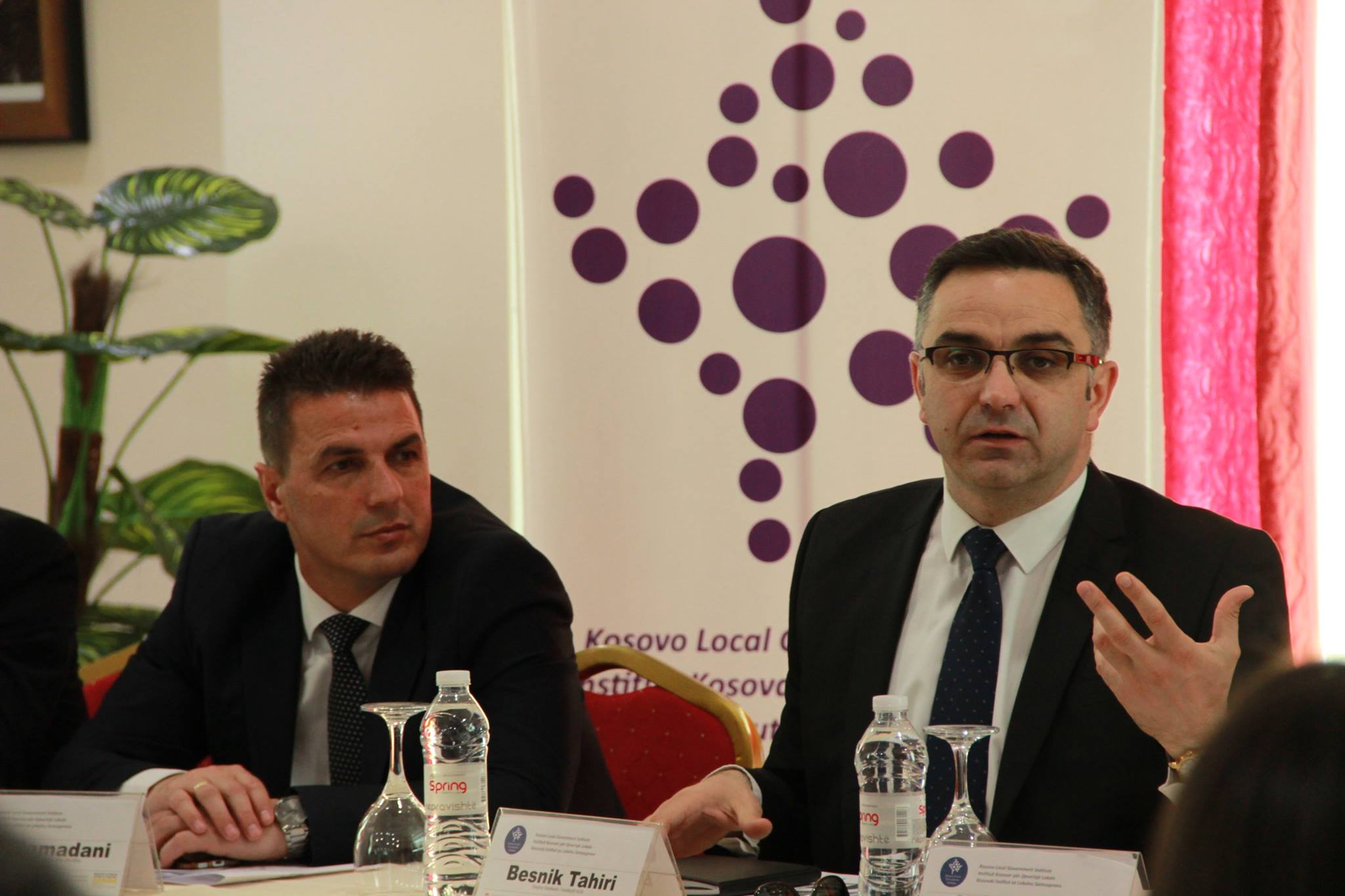
The KLGI Institute continued with lectures and discussions in the second session of the modular training, as part of the project “An effort towards sustainable and functional local governance”, addressing the following aspects: the integrated planning system, strategic planning, writing project proposals and project management.
This training session aimed to increase participants’ knowledge and skills regarding the concepts, phases and methods of writing project proposals and implementing them successfully. It will thus also serve as a means of facilitating professional development in writing innovative projects in line with needs and requirements. Particular emphasis was placed on the integrated planning system, with the aim of avoiding the fragmentation of policies and budgets.
To take a proactive approach to the efficient implementation of projects, several phases must be gone through: conception, initiation and planning, execution, closure and use.
The lecturer in this session was Mr Uragan Alija, Director of the Department of Communication and Digital Marketing at Post and Telecommunications of Kosovo, who stressed that project implementation remains a serious problem, given that fewer than ten per cent of projects in Kosovo apply the proper method through the specified phases.
Mr Besnik Tahiri, Executive Director of the KLGI Institute, stressed that the journey of implementing a project, from initiation to planning, requires time and energy. Moreover, strategic and development planning must be realistic and in line with the context.
Furthermore, there should be more citizen involvement in the policy-making cycle, especially in budget policies linked to the list of projects, since at present this remains only within formal limits, without clarity about the direct needs of groups and residents.
The training session also included group work, in which participants had the opportunity to work through the phases of project proposals and to address the problems they face when carrying out projects, such as procurement, funding, the division of roles, monitoring and evaluation. Particular emphasis was also placed on evaluation and monitoring, as the best method for improving governance management.
“This grant is funded by the Democratic Society Promotion (DSP) project – funded by the Swiss Cooperation Office in Kosovo (SCO-K) and the Ministry of Foreign Affairs of Denmark (DANIDA) and managed by the Kosovar Civil Society Foundation (KCSD)”.