KLGI remains committed to supporting the advancement of inter-municipal cooperation
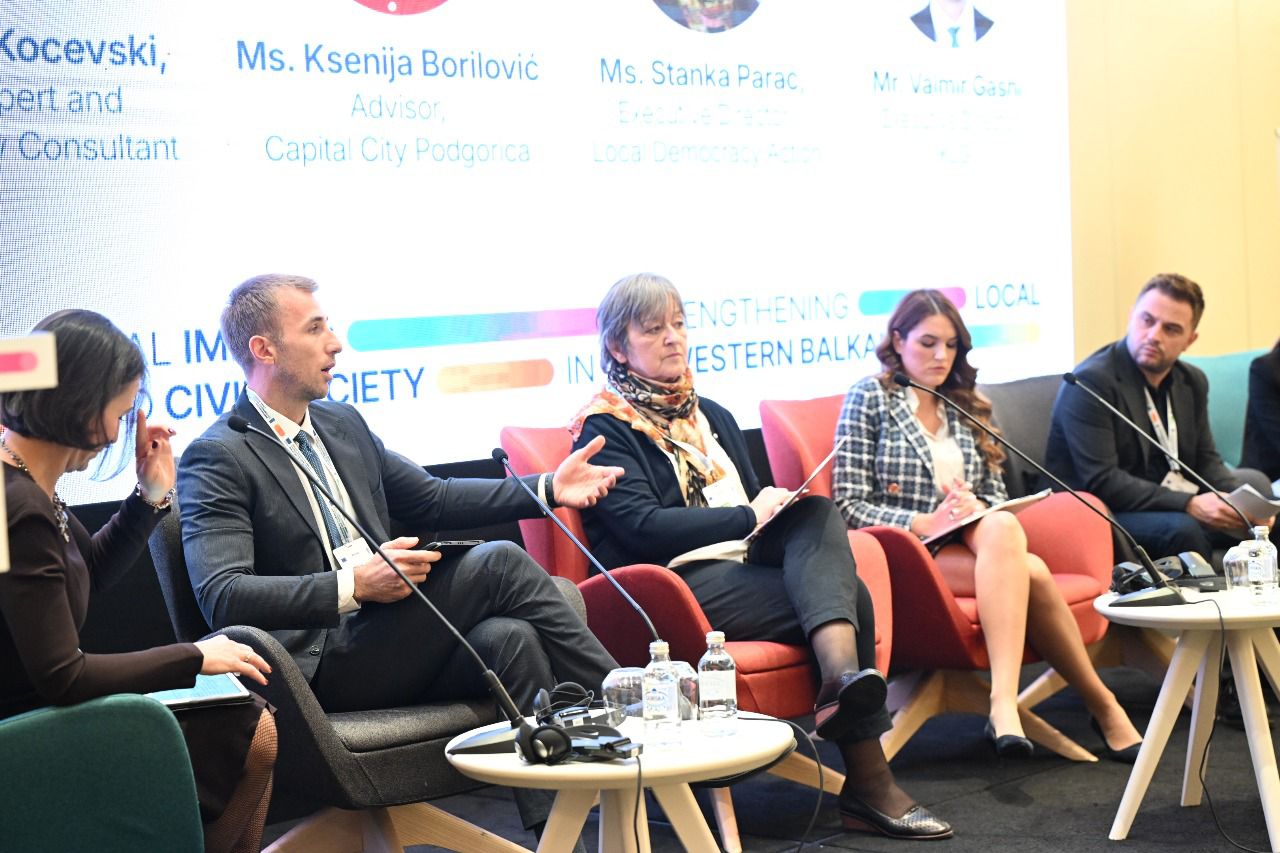
The Ministry of Local Government Administration (MLGA), supported by the OSCE, organised a conference to promote and support inter-municipal cooperation. The representative of the KLGI Institute, Mr Sadri Rrmoku…
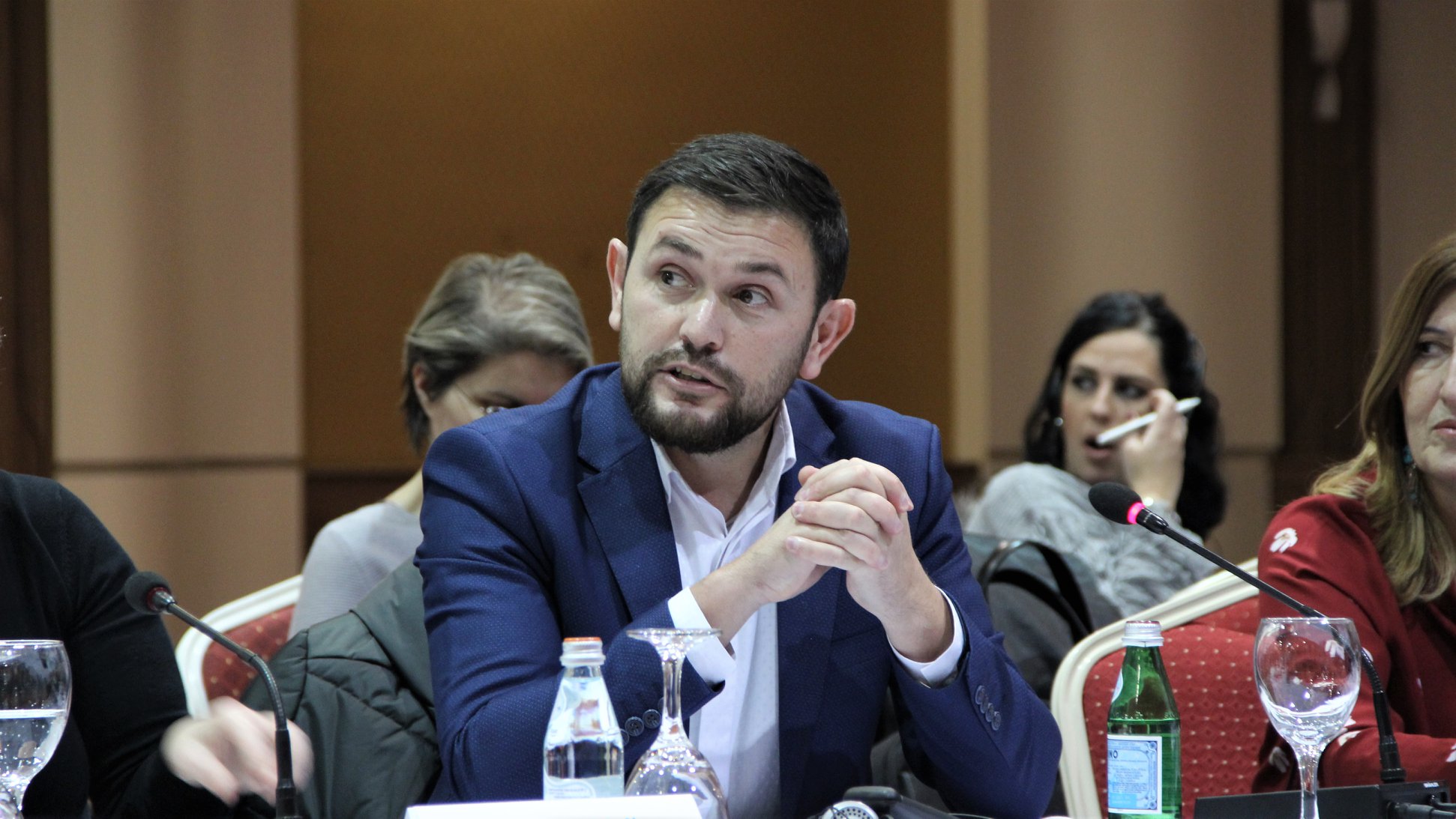
The Ministry of Local Government Administration (MLGA), supported by the OSCE, organised a conference to promote and support inter-municipal cooperation.
The representative of the KLGI Institute, Mr Sadri Rrmoku, stressed during his presentation that when the law was adopted, the KLGI Institute published a practical guide clarifying the areas of cooperation and the advantages of this process. We have continuously addressed the challenges this process has faced and the lack of a cohesive approach to identifying areas of cooperation and taking legal steps.
To this end, in cooperation with municipalities and the MLGA, we carried out a study visit to the Republic of Macedonia: since we adapted our legislation from that country, we needed to see the practices of how this law functions as well.
The KLGI Institute, together with the Office of the Prime Minister, has also promoted a broad process of inter-municipal dialogue, offering the model for and supporting the ‘Government–Municipalities Consultative Forum’, a mechanism for inter-municipal and inter-institutional cooperation.
In the first phase, inter-municipal cooperation was promoted by the MLGA and UNDP through incentive funds, which produced results; this process then faded, being used as an instrument only in a few technical areas mainly related to infrastructure.
There are a host of issues on which inter-municipal cooperation would succeed in producing positive results; for this reason we have continuously raised the need for an incentive fund, and we therefore congratulate the ministry on the step it has taken. We consider that the fund comes at an important moment, when decentralisation has now been tested for 10 years and sectoral legal advances have taken place.
Inter-municipal cooperation can and should extend to the joint management of public and administrative services (avoiding successive requests for new municipalities); strategic planning, polycentric development and inter-municipal services; the field of finance and local economic development, by pooling investments and linking development zones; more efficient waste management, up to landfills and a new phase (plants); and wastewater treatment, drinking water supply, forest management and joint inspections.
Bearing in mind the good practices the MLGA has established with prior criteria, KLGI considers that inter-municipal cooperation between parent municipalities and new municipalities should be given particular importance; this could also be reflected in inter-ethnic cooperation, since they are familiar with common problems and can re-establish communication.
This would result in two main dimensions. First, the provision of higher-quality and more efficient joint services (in many sectoral fields, education, health and economic development, but also administrative ones such as implementation of the law on languages and the joint administration of services), which would not only raise the quality of service but also make more efficient use of funds.
The second dimension relates to the process of strengthening democratisation and inter-ethnic dialogue, with the aim of integrating communities and increasing understanding of the primary and secondary legislation of the Republic of Kosovo.
Inter-municipal cooperation is thus not only a precondition for improving the quality of services to citizens, but also paves the way for regional development by establishing a development balance and strengthening municipalities' joint demands towards central institutions, investors and donors.
On behalf of the KLGI Institute, Mr Rrmoku reiterated support for this process so that, by strengthening inter-municipal cooperation, we first improve the provision of joint services, second encourage balanced regional development and, above all, address key common challenges, opening the way to development.