The KLGI Institute held its annual conference and the launch ceremony of the “Local Governance Academy (LGA) – Sixth Generation” programme
The event was also part of the KLGI Institute’s engagement aimed at encouraging and promoting developments towards achieving new objectives at local level. Congratulating the participants of this generation, the…
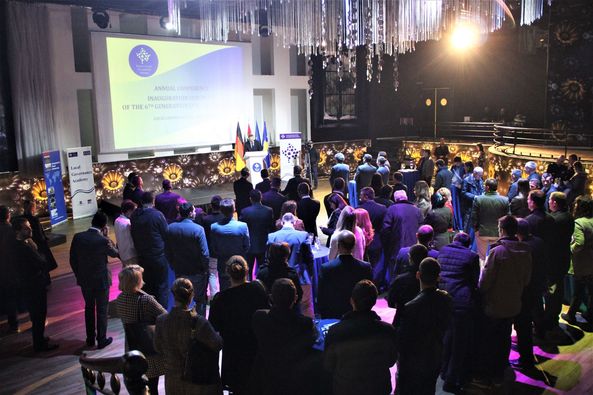
The event was also part of the KLGI Institute’s engagement aimed at encouraging and promoting developments towards achieving new objectives at local level.
Congratulating the participants of this generation, the Executive Director of the KLGI Institute, Mr Besnik Tahiri, stressed that KLGI will remain committed, together with its partners, to further promoting and advancing the sustainable development of municipalities, as the only path to democratic consolidation and progress towards European integration.
In his speech, he shared two observations as a message to municipalities and officials without exception: ‘only strong local government can increase the credentials of a functional and democratic state’ and ‘aspiring to join the European family cannot be achieved without building strong foundations at local level,’ Tahiri stressed.
Mr Tahiri then presented the challenges and successes of local governance in 2016, as well as the outlook for 2017 emerging from the KLGI Institute’s programme and work. He then turned to the key areas of local governance: legislation; good governance; local finance; municipal performance; strategic planning; democratisation; integration of municipalities; and reform.
The main speakers at the event were the Executive Director of the KLGI Institute, Mr Besnik Tahiri; the Ambassador of the Kingdom of Norway, Mr Per Strand Sjaastad; the Minister of Education, Science and Technology, Mr Arsim Bajrami; and the Deputy Minister of Local Government Administration, Mr Bajram Gecaj.
In addition to presenting the LGA programme, the conference covered the following topics: the Norwegian model of professional education and the lessons Kosovo should follow; professional education as a response to practical challenges; the role of the MLGA in professional advancement in relation to the reform process.
Also present at the event were KLGI partners, mayors, representatives of line ministries, representatives of international organisations, LGA alumni, the media and researchers in local governance.
A documentary also presented the advanced training programme for local-level officials, as a way of familiarising the sixth generation with the activities, aims and impact of the LGA programme.
The LGA is the largest network of municipal officials, an advanced training programme that includes lectures, training sessions, exchange of experience, workshops and discussions in the interest of local actors.