Institutional and civil stakeholders should coordinate their activities in the service of the public interest
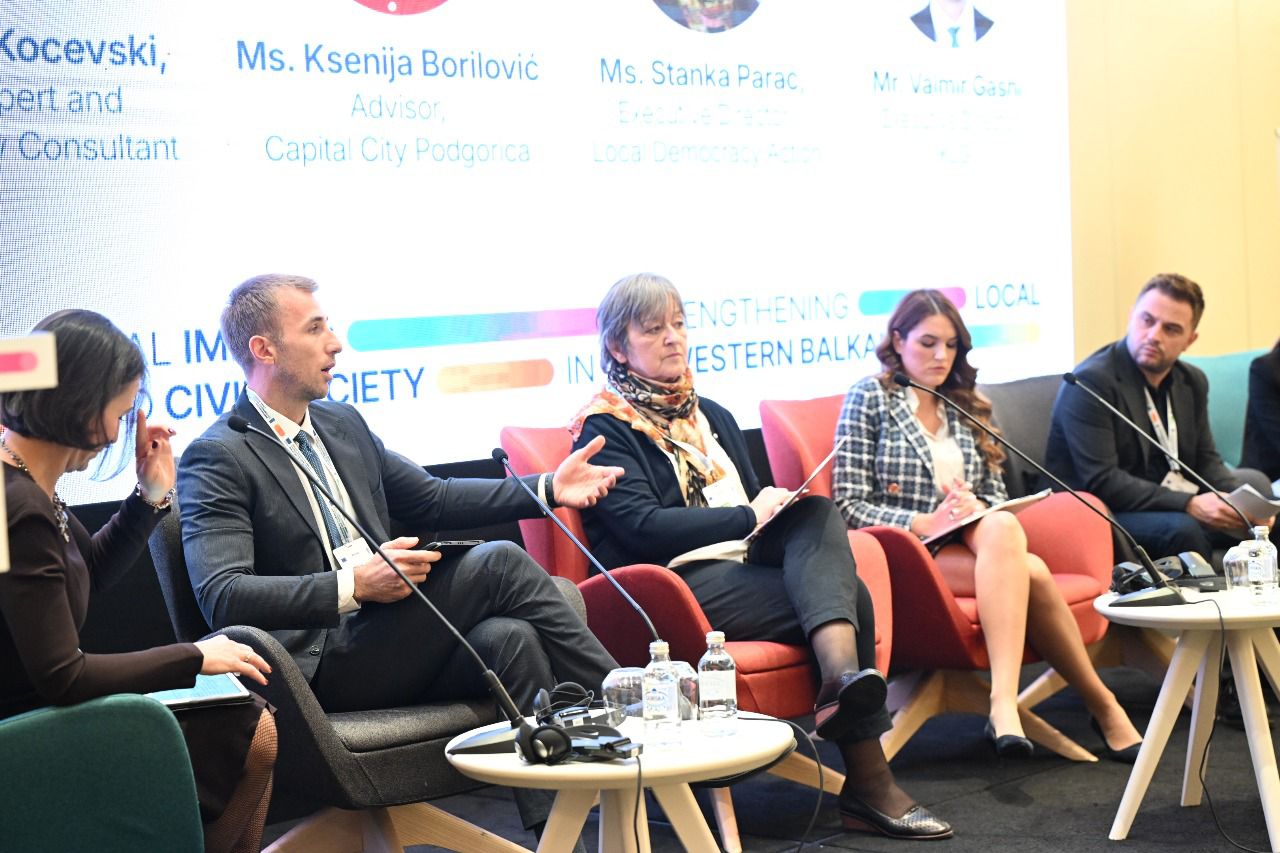
The KLGI Institute held a regional meeting that brought together civil society organisations at the local level to discuss forms and the strengthening of civil society mechanisms and increasing demands for effective…
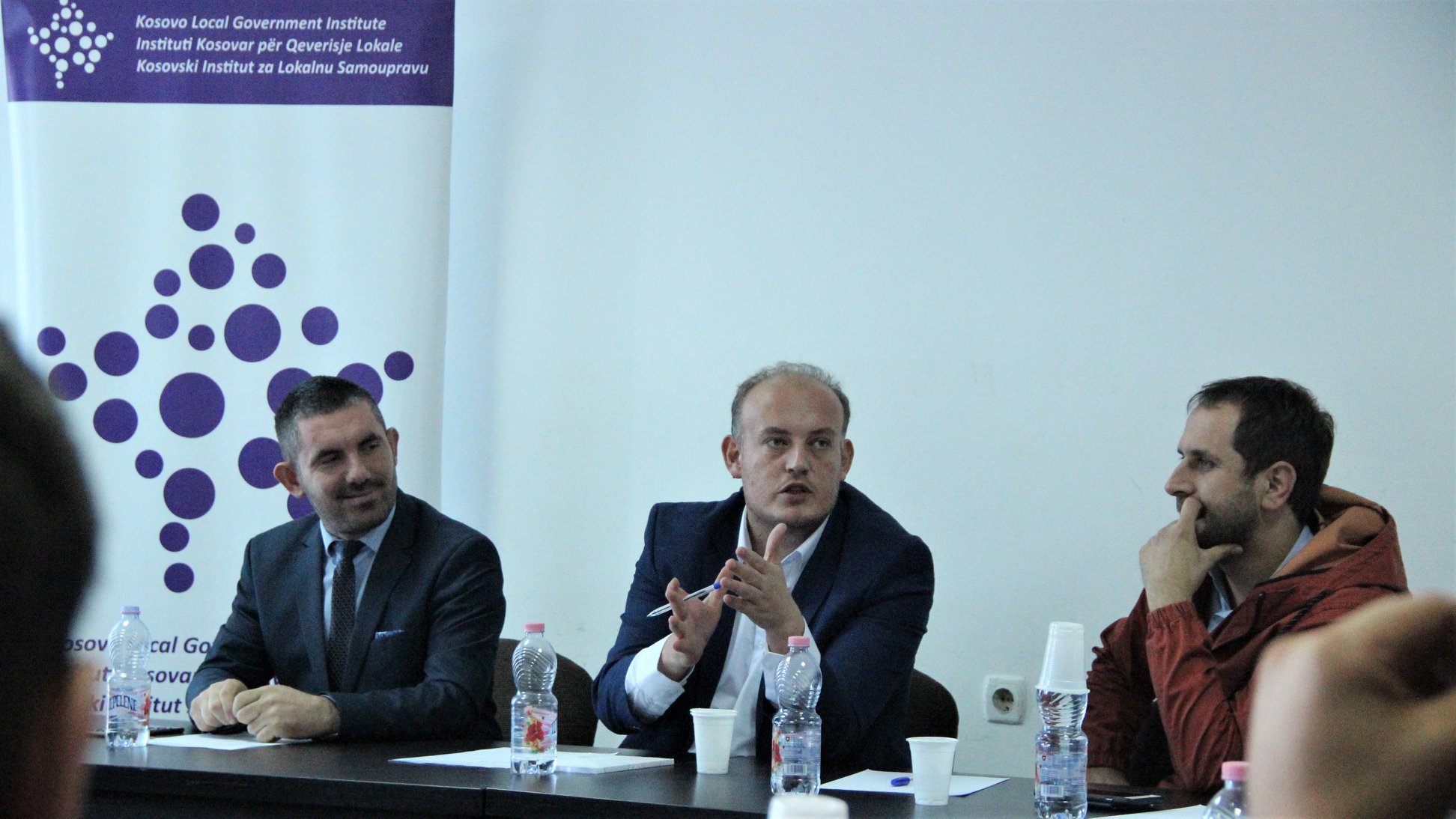
The KLGI Institute held a regional meeting that brought together civil society organisations at the local level to discuss forms and the strengthening of civil society mechanisms and increasing demands for effective accountability from local institutions. This activity was carried out in coordination with the Network of Non-Governmental Organisations in Ferizaj ‘Avonet’ and local institutions.
Beyond this, the meeting aimed to strengthen structured communication between local actors in reinforcing joint agendas for continuous cooperation. In this context, it is extremely important to strengthen cooperation between civil society and local institutions, first of all by setting strategic goals and a joint action agenda. Beyond this, it serves to strengthen democracy at the local level, where civil society, on the one hand, articulates problems and, on the other, offers professional support and oversight of policy implementation.
The discussion addressed and made recommendations on issues at two levels: first, how to improve municipalities' policies and effective communication with stakeholders; and second, how to increase the capacities of local civil society so that it is active and ready to serve local public institutions.
Increased demands for accountability, transparency and effective monitoring push municipalities to be more responsive to citizens, and interaction between decision-makers and citizens also increases beyond formal discussions, placing the focus on specific problems. One problem that has begun to be addressed concerns the funding of clubs and organisations under the Law on Sponsorships, which still requires clarification in terms of both procedure and reporting.
These discussions aim to produce a list of issues to be addressed in order to improve communication, coordination and effective monitoring, followed by specific training in the field of local governance; above all, this gives rise to a platform or network that actively focuses on local policies and good governance.
A particular dimension of the discussion concerned professional organisations providing social services, including a separate meeting at ‘Handikos’. That meeting also discussed the specific grant for social services and the advantages and challenges that may arise during its implementation. On this occasion, the need for structured cooperation to strengthen social policies at the local level was stressed.
This joint meeting was also a good opportunity to create networking and possible cooperation across the activities of civil society organisations operating at the local level.
The regional meeting is organised within the programme ‘Support for Stronger and More Sustainable Municipalities (SSSM)’, which aims to address the challenges and problems that civil society organisations at the local level encounter in their functioning, and also to identify opportunities and exchange good practices for their advancement.