Inter-municipal cooperation increases the potential for local economic development
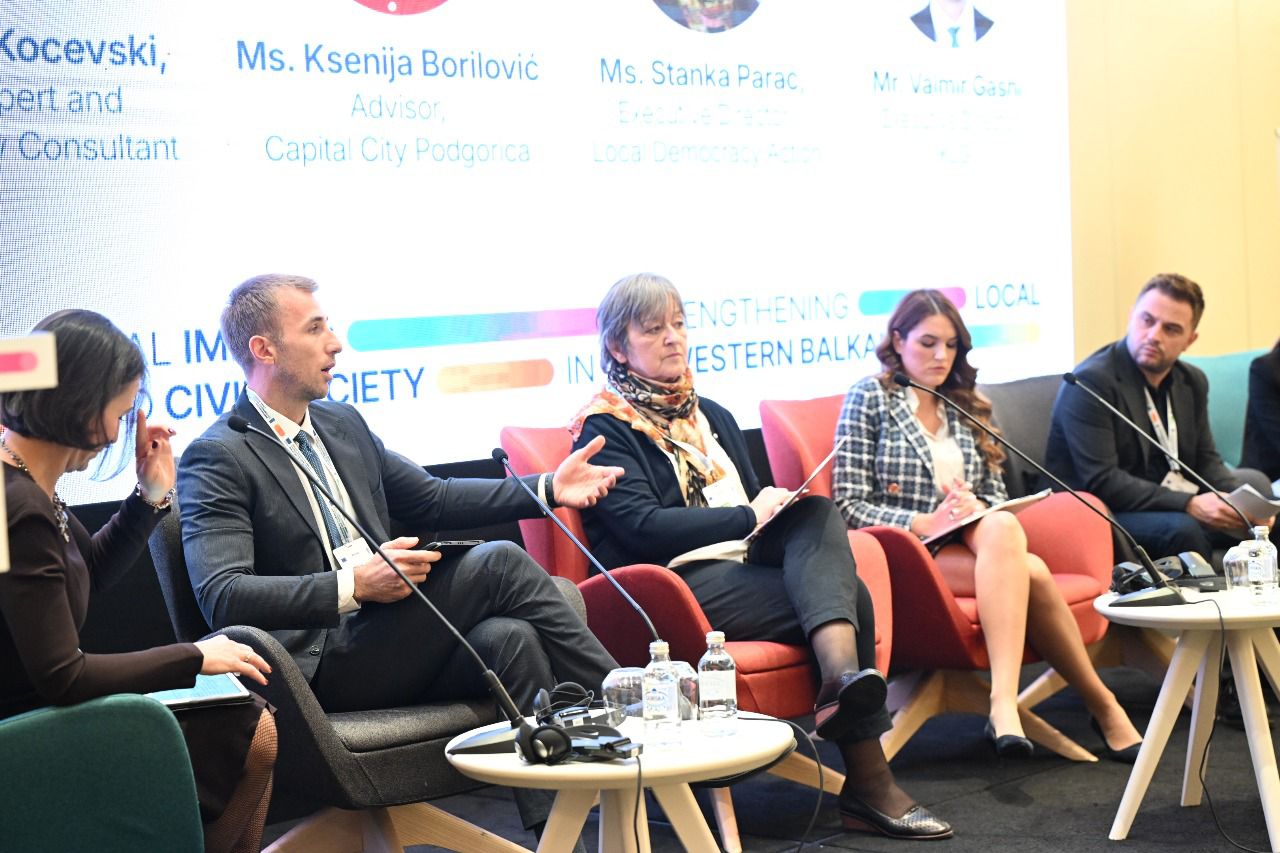
The KLGI Institute organised a workshop on “Inter-Municipal and Inter-Community Cooperation and Development”, to discuss the challenges and efforts to promote and strengthen inter-municipal and inter-community…
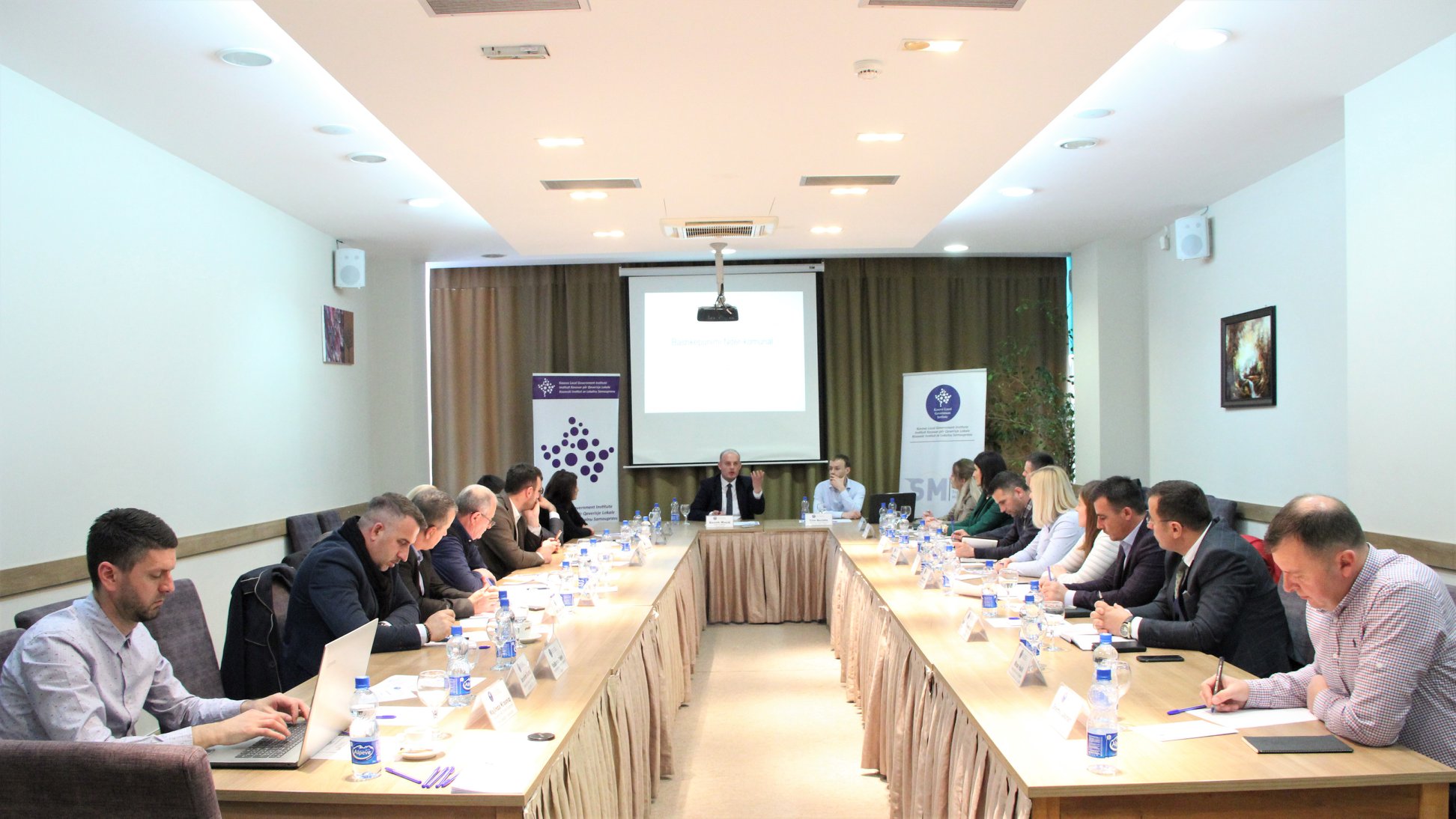
The KLGI Institute organised a workshop on “Inter-Municipal and Inter-Community Cooperation and Development”, to discuss the challenges and efforts to promote and strengthen inter-municipal and inter-community cooperation in the service of good governance and local economic development.
Inter-municipal cooperation is important for faster local economic development and for the efficiency and effectiveness of service provision. Particular focus was therefore placed on the process and procedures of initiatives for inter-municipal cooperation, starting from the identification of priorities for cooperation between two or more municipalities.
Key stakeholders must strengthen and intensify inter-municipal cooperation in order to make use of the opportunities this field offers; otherwise, the result is a loss of resources and of financial and human potential. Above all, municipalities must identify and specify areas of cooperation by making use of the competences of municipal institutions.
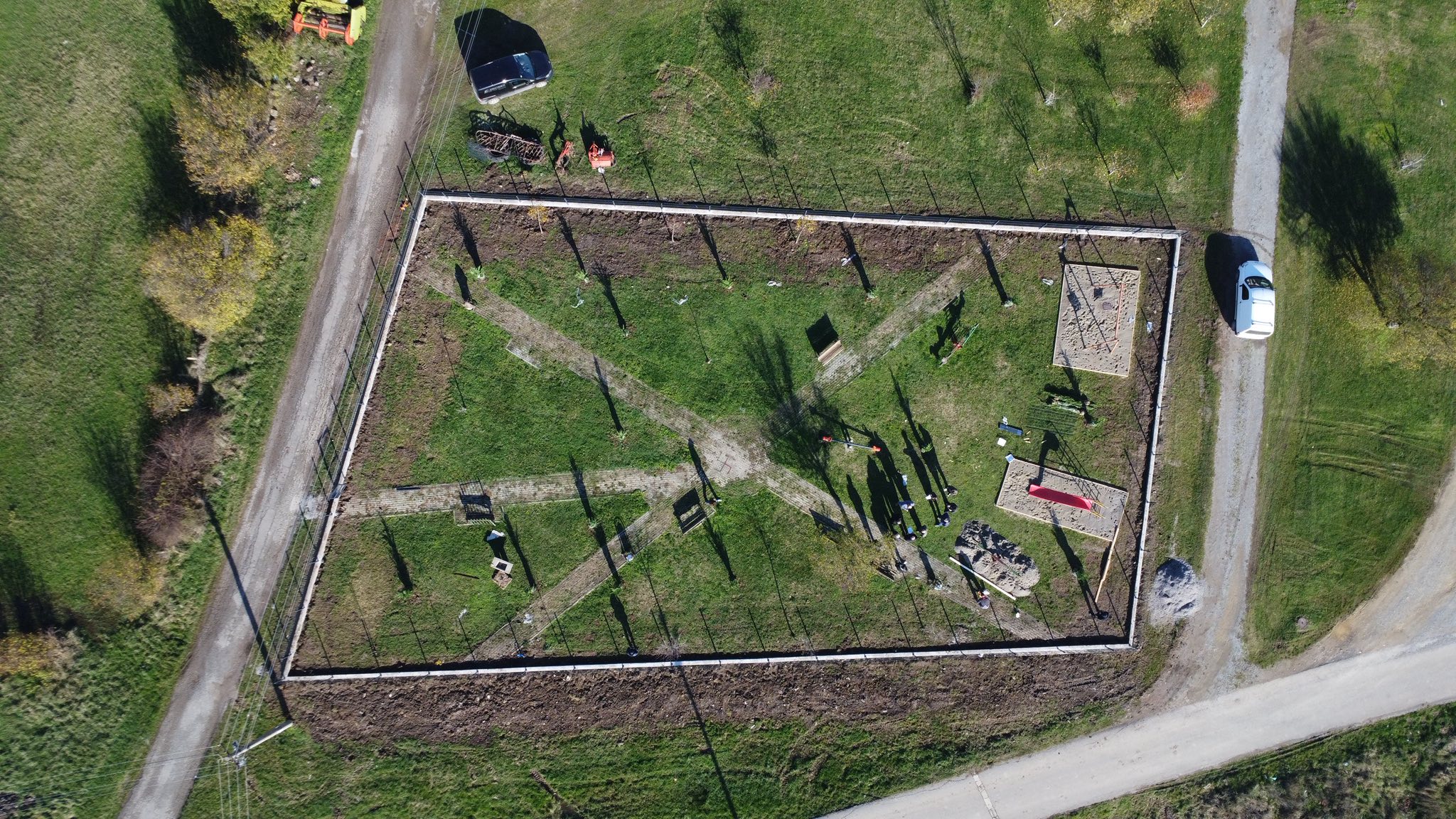
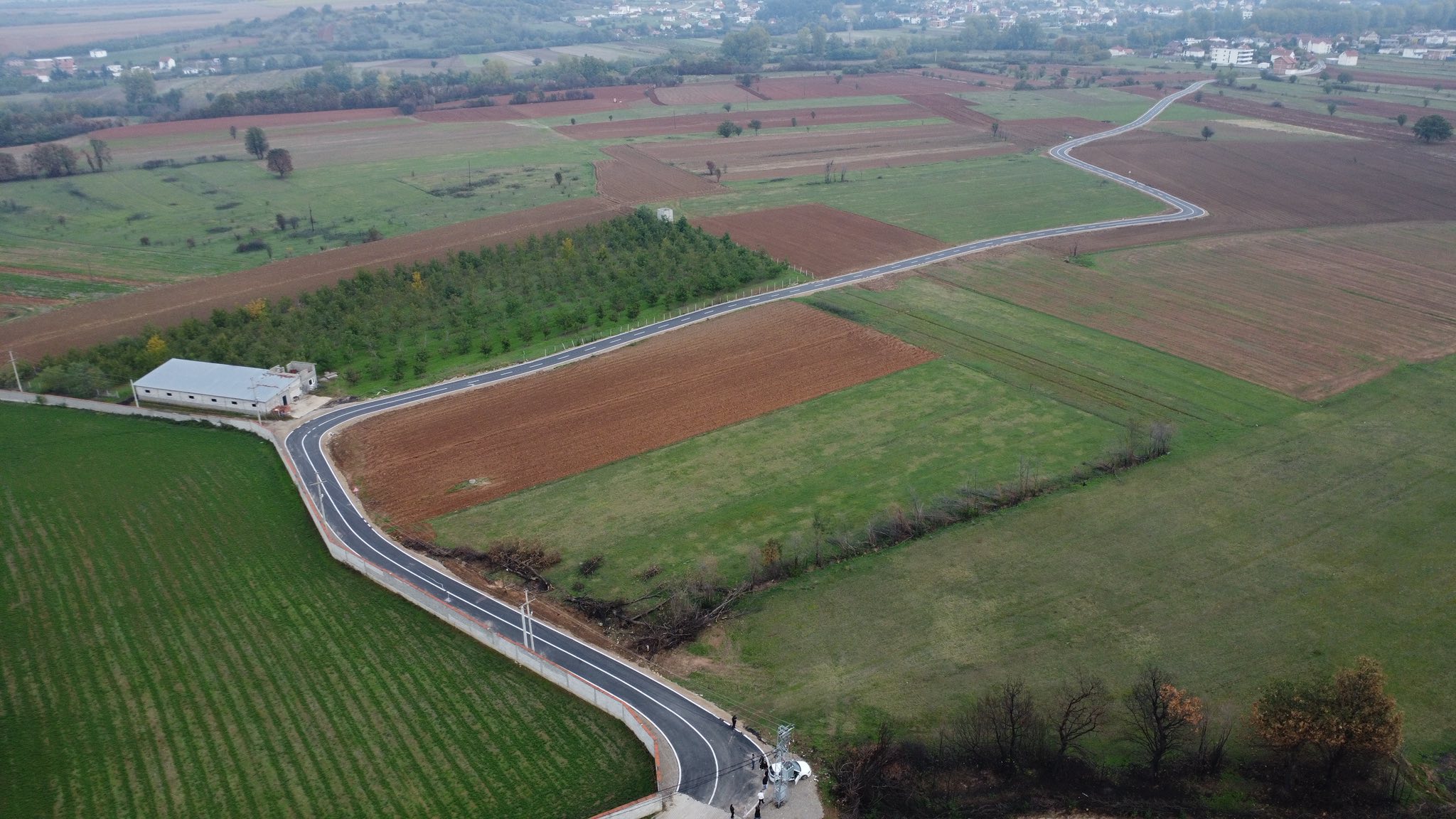
Although there are cases of inter-municipal cooperation, these are mainly limited to basic infrastructure, and it is important that municipalities continue genuine communication and cooperation in common areas of management and service provision. Given the role of cooperation between two or more municipalities, it is extremely important that these forms of cooperation are also effective in implementation and do not remain only on paper.
Beyond this, the meeting also addressed cross-border cooperation as an important mechanism for improving the areas identified between two countries. Municipalities now have the opportunity to advance this form of cooperation through the incentive fund of the Ministry of Local Government Administration.
On this occasion, a key challenge for municipalities proved to be insufficient technical and professional capacity to absorb funds from development programmes.
Participants also received the handbook on inter-municipal cooperation, which sets out the procedures for IMC in a simplified way.
This activity is being carried out within the project ‘Support for Stronger and More Sustainable Municipalities (SSSM)’, funded by the Royal Norwegian Embassy in Kosovo.