Municipalities must set minimum standards in the delivery of social services
Within the fourth module of the LGA educational programme, the KLGI Institute addressed social and employment policies, focusing on the contracting of alternative social services from various local partners, in…
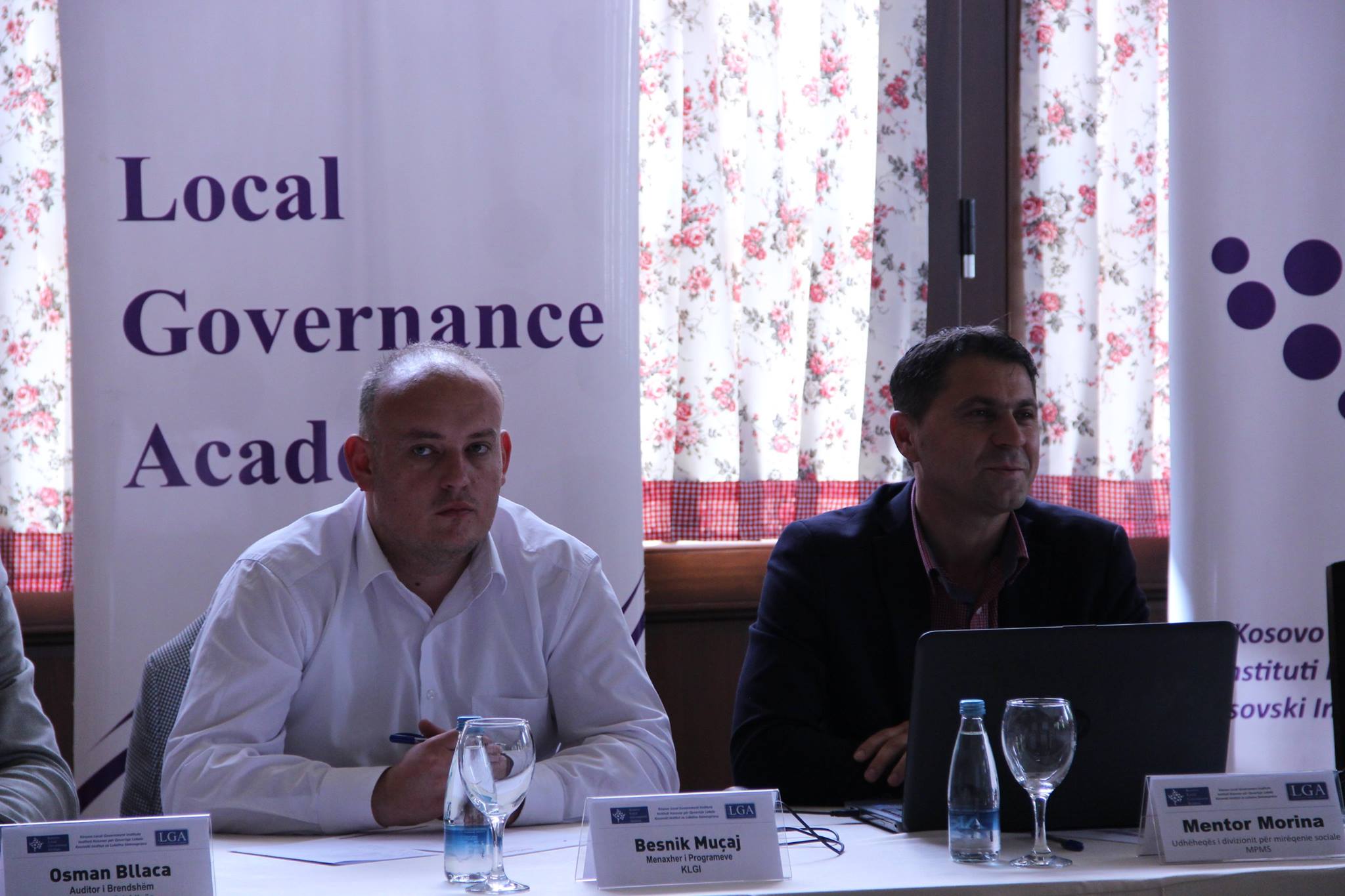
Within the fourth module of the LGA educational programme, the KLGI Institute addressed social and employment policies, focusing on the contracting of alternative social services from various local partners, in particular specialised organisations and companies.
It was stressed that contracting professional services is essential for raising welfare and supporting marginalised groups. This must happen through direct engagement in developing services in harmony with the needs of social categories, increased cooperation between professional institutions, higher service quality and the drafting of strategy,
policies and standards for social policy at the municipal level. This not only broadens the range of services but also raises their quality.
It was also emphasised that municipalities have been given a clear mandate to take responsibility for providing social assistance (with the exception of pension payments) and social services. There are still obstacles and ambiguities – at both the municipal and central level – as to how this mandate should be implemented.
Furthermore, Mr Mentor Morina, Head of the Social Welfare Division (MLSW), stressed that the task of transferring management from these centres to municipalities requires continuous professional and technical assistance. Finding mechanisms for delivering these services between municipalities and the MLSW will also be challenging.
The development of social infrastructure and temporary shelter for various vulnerable groups, and an increase in community-based homes for the protection of children, older persons and persons with disabilities, were also seen as a necessity.
In addition, there are still shortcomings in municipal funding as a result of the new competences for social and family services, which are failing to provide a sufficient quality of services. There is a great need for a well-structured system of intergovernmental communication, negotiation and technical support in this sector.
It was also said that municipalities should engage in costing expenditure in this sector, including expenditure on monitoring and implementing minimum standards, ensuring the minimum level of service delivery and implementing remedial actions as needed.
The shared conclusion was that there is a need to draft efficient social policies that will meet challenges requiring the urgent mobilisation of all human, intellectual, technical and political resources in drafting smart social policies to overcome difficulties: remedying the existing situation and integrating marginalised groups.
This programme is supported by the Royal Norwegian Embassy and the Friedrich Ebert Foundation.